Heavy-Lift Drone Airdrop Payloads: Transforming Industrial Lifting Operations
Introduction: The Logistics Bottleneck at 200 Feet
Consider a routine bridge inspection on the Yangtze River. Your crew needs to deliver a 5-kilogram ultrasonic thickness gauge and a bundle of coupling gel to a technician suspended on a platform 80 meters below the deck. The alternative is a 45-minute round trip via rope access, or a risky hand-line lift through gusting winds. This is not a hypothetical scenario; it is a daily operational friction that erodes margins and introduces safety risks across construction, inspection, and emergency response sectors. The solution lies not in larger drones, but in specialized heavy-lift drone airdrop payloads that transform a UAV from a camera platform into a precision cargo delivery system.
The Challenge: Why Traditional Lifting Methods Fail in Industrial Operations
Industrial lifting operations at height or over difficult terrain share a common set of constraints: weight, precision, and safety. Manual rope access is slow and exposes personnel to fall hazards. Helicopter sling loads are prohibitively expensive and logistically complex for small, frequent deliveries. Ground vehicles are often blocked by terrain, water, or active construction zones.
Standard drone payloads—such as gimbaled cameras or LiDAR units—are designed for data collection, not physical cargo transport. Attempting to jury-rig a strap or a simple release mechanism to a drone airframe introduces unacceptable risks: pendulum swing, accidental release, and load imbalance that can destabilize flight. The operational pain point is clear: you need a purpose-built drone airdrop system payload that integrates mechanically and electronically with your existing UAV fleet, offering controlled release, load security, and mission repeatability.
The Solution: Engineering the Heavy-Lift Airdrop Payload
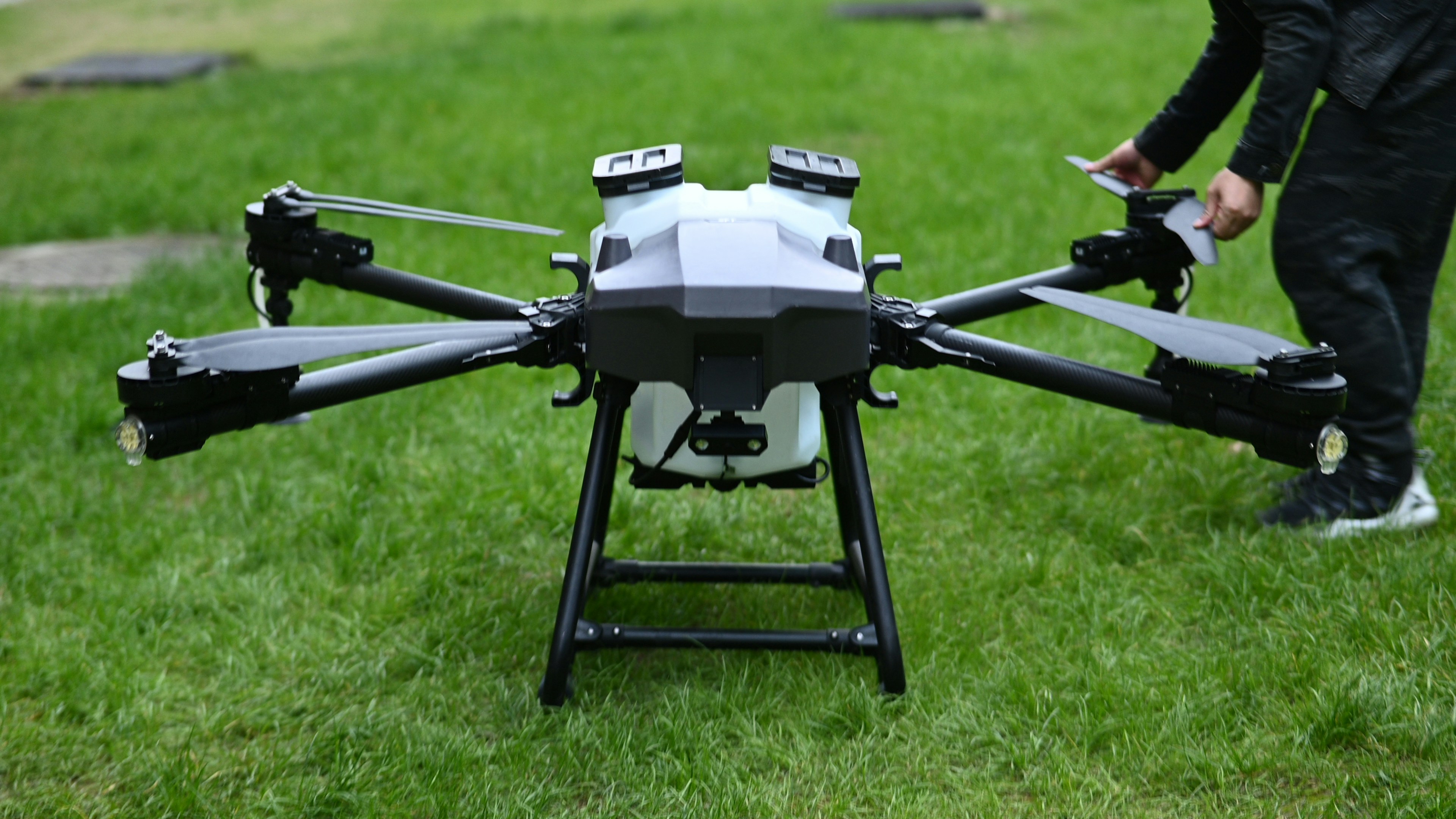
Puyu Drone's heavy lift UAV cargo delivery mechanisms are designed to bridge this gap. These are not consumer-grade hooks or improvised straps; they are industrial payload subsystems engineered for the DJI Matrice 350 RTK airdrop payload ecosystem, leveraging the PSDK (Payload SDK) for seamless integration.
Payload Types for Different Operational Demands
The choice between a drone winch vs claw hook payload depends on the nature of the cargo and the landing environment. Each serves a distinct mission profile.
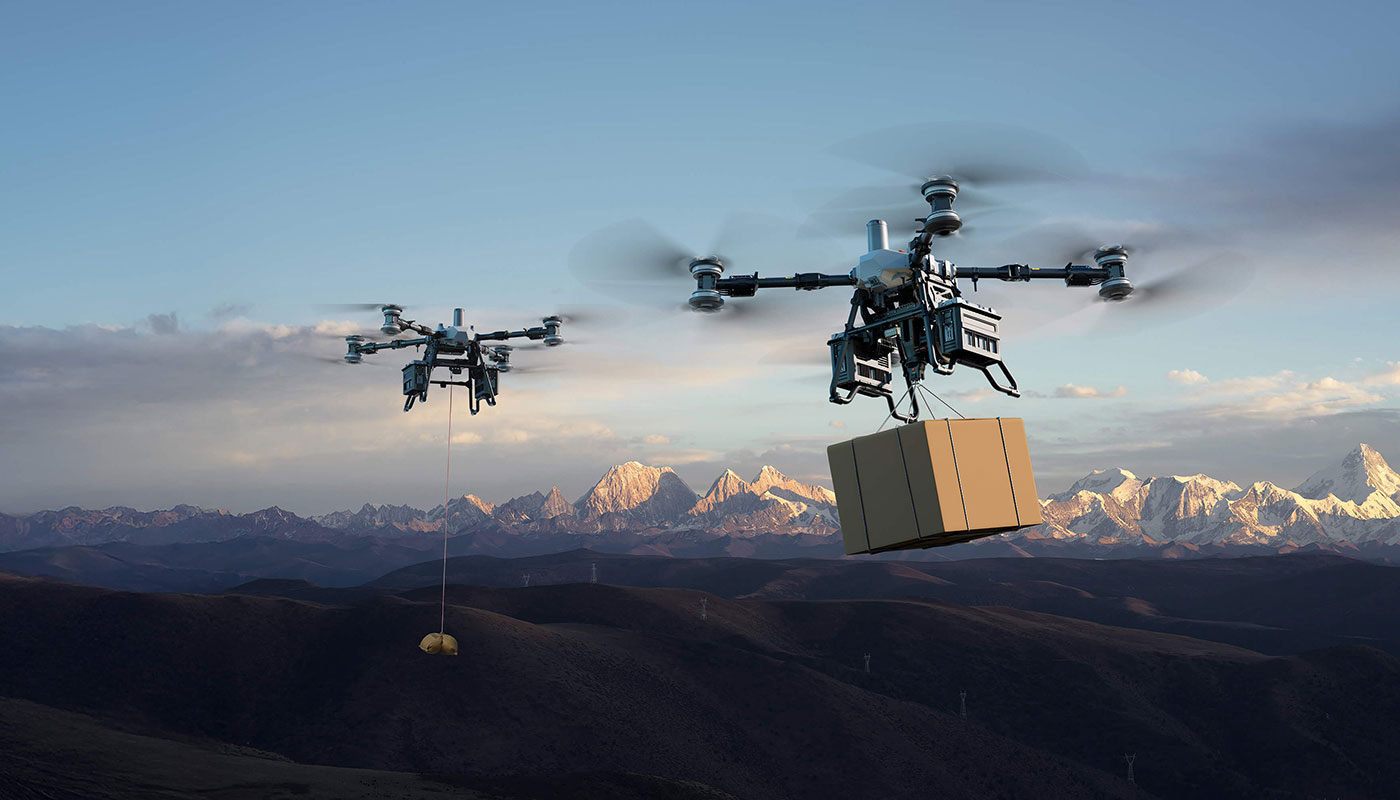
- Drone Cargo Release System (PL10 Series): Designed for rapid, gravity-assisted release of packaged goods. The PL10 uses a dual-latch mechanical lock rated for loads up to 10 kilograms. It is ideal for emergency supply drone drop mechanisms where the package is pre-secured on the ground and released on command via the DJI Pilot 2 remote controller. This system is proven in UAV payload for construction logistics scenarios, delivering tool kits, fasteners, or personal protective equipment to workers at height.
- Industrial Drone Lifting Hook Claw: For missions requiring retrieval or repositioning of non-packaged items—such as lifting a rope end, a tool tether, or a sensor probe. The claw mechanism is spring-loaded and servo-actuated, providing a secure grip that can be opened remotely. This is the preferred configuration for drone airdrop system payload applications where the load must be placed, not dropped, such as positioning a rescue line during a swift-water rescue.
- Drone Winch Payload: When the landing zone is inaccessible or the load cannot be dropped from altitude, the winch system allows controlled descent. A 20-meter Kevlar line with a hook or cargo basket is lowered under power, and the load is released at ground level. This is critical for heavy lift UAV cargo delivery mechanisms in sensitive environments like power substations or chemical plants where a free-fall release is unacceptable.
Integration with the DJI Ecosystem
All Puyu airdrop payloads are designed for direct mechanical and electronic compatibility with the DJI Matrice 300 RTK and Matrice 350 RTK platforms. The PSDK interface provides:
- Real-time status feedback: Open/closed state, load weight, battery level of the payload itself.
- One-key release: Assignable to a physical button on the DJI Smart Controller or RC Plus.
- Fail-safe behavior: In the event of signal loss, the payload defaults to a locked state to prevent accidental cargo release.
For enterprise fleet operators, this means no additional ground control station software, no third-party adapters, and no complex calibration. The payload is recognized by the aircraft as a native accessory.
ROI and Operational Reliability
In field deployments, a single drone cargo release system PL10 can eliminate 10 to 15 manual rope access trips per day on a bridge inspection project. For a construction logistics operation moving 20 kilograms of hardware per flight cycle, the reduction in crane wait time and personnel exposure delivers a measurable return within weeks. Puyu Drone backs every payload with a 12-month warranty and offers OEM customization for bulk fleet orders, including custom mounting plates or release logic for specific cargo types.
FAQ: Heavy-Lift Drone Airdrop Payloads
Can the airdrop payload be used on the DJI Matrice 4 series or Mavic 3 Enterprise?
Our airdrop systems are primarily engineered for the DJI Matrice 350 RTK and Matrice 300 RTK platforms, which offer the necessary physical mounting points and PSDK power/data interface. For the Matrice 4 series or Mavic 3 Enterprise, we offer a separate, lighter-duty cargo release mechanism designed for loads under 2 kilograms. Please contact our sales team to verify compatibility with your specific airframe model.
What is the weather resistance rating of these payloads?
The PL10 cargo release system and the industrial drone lifting hook claw are rated to IP43 ingress protection. They are designed for operation in light rain and dusty environments, but not for submersion or heavy precipitation. The internal servo and latch mechanisms are sealed, and the external housing is aluminum alloy with a corrosion-resistant coating. For extreme weather operations, we recommend the optional silicone boot cover.
Can I integrate the airdrop payload with my existing fleet management software?
Yes, for enterprise customers operating multiple aircraft. The PSDK integration allows the payload to report status via the DJI Pilot 2 app. For custom fleet management integration (e.g., FlightHub, UgCS, or proprietary software), we provide a payload SDK documentation package and technical support for API-level integration. This is standard for bulk OEM orders.
Next Steps: Evaluate the Payload for Your Mission Profile
Transitioning from manual lifting to a heavy-lift drone airdrop payload requires matching the mechanism to the cargo and the environment. We invite procurement managers and fleet operators to review the technical specifications of the PL10 cargo release system, the industrial drone lifting hook claw, and the winch payload on our product catalog. For detailed integration guidance, payload load testing data, or bulk pricing for enterprise deployments, contact the Puyu Drone sales engineering team. We provide sample units for qualified evaluation programs and full technical documentation for your integration review.